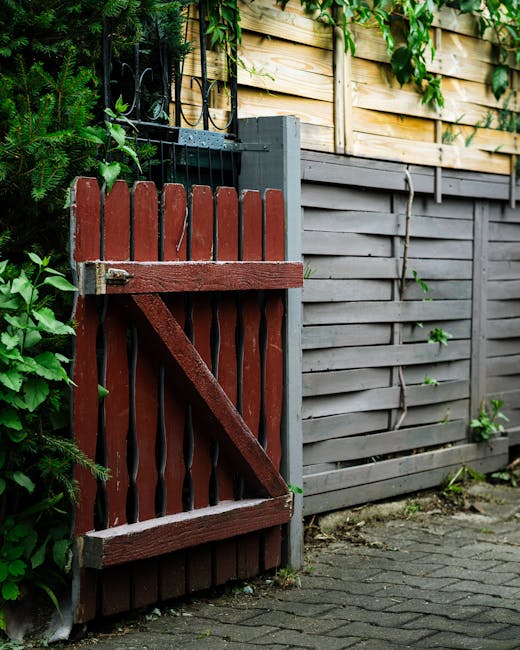
Common problems with garden access for Kingston gardeners solved
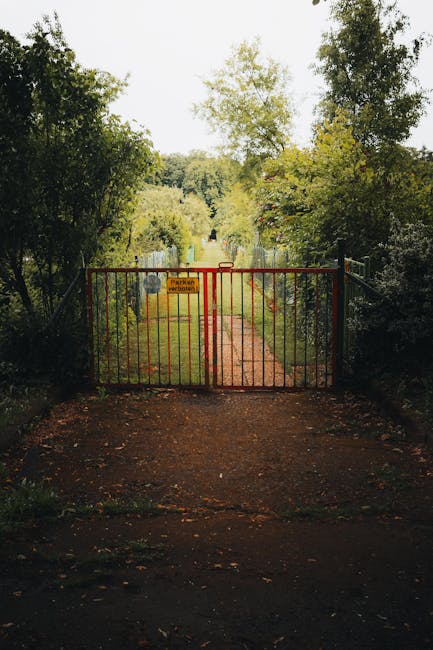
If you have ever tried to move a mower through a narrow side return, squeeze bags of soil past a parked car, or carry a hedge trimmer through a hallway without leaving half the garden on the floor, you already know the issue: garden access can make a simple job awkward fast. For Kingston gardeners, the challenge is often less about the work itself and more about getting to the work safely, cleanly, and without wasting time.
This guide on Common problems with garden access for Kingston gardeners solved breaks down the real-world access issues people run into at home, why they matter, and what usually fixes them. We will look at tight passages, locked gates, shared entrances, awkward levels, storage clutter, and a few of those annoying little snags that only show up once tools are already on site. To be fair, access problems are rarely dramatic on their own. It is the combination that causes trouble.
By the end, you will know how to spot the likely bottlenecks, plan around them, and decide when a straightforward maintenance visit is possible and when a more organised approach is needed. If you are comparing services, it can also help to look at the wider services overview and the practical guidance on pricing and quotes so you know what usually affects cost and timing.
Why Common problems with garden access for Kingston gardeners solved Matters
Garden access sounds like a minor logistical point, but it often shapes the whole job. If a gardener can get in and out easily, work starts on time, equipment stays tidy, and the finished result tends to look better. If access is awkward, even a small task can become stop-start, noisy, and more disruptive than it needs to be.
In Kingston, that matters for a few very ordinary reasons. Many homes have side gates, rear lanes, shared entrances, terraced layouts, or narrow passages between house and fence. Some gardens are simple once you are in them, but the route there is the headache. One old latch, a tight turn, or a step hidden under ivy can turn a quick visit into a bit of a faff. And nobody wants that.
It also matters for safety. Carrying sharp tools, heavy green waste, or bulky materials through a cramped route is not ideal for anyone. The same goes for protecting floors, walls, and neighbouring property. A clean access plan reduces the chance of scuffs, broken handles, damaged plant pots, muddy footprints, or accidental strain on the person doing the work.
Expert summary: Most access problems are solvable, but the best solution depends on the route, the job size, and how much equipment or waste needs to move. A little planning up front usually saves a lot of backtracking later.
There is also a commercial side to it. A gardener who knows the access situation can give a more accurate quote, bring the right tools, and schedule the job properly. That is one reason trusted firms often prefer a clear site description before they arrive. If you want to understand the broader service picture, the page on about us is useful for seeing how a professional, customer-focused approach is normally set up.
How Common problems with garden access for Kingston gardeners solved Works
In plain English, solving garden access problems is about removing friction. First, the access route is assessed. Then the gardener decides whether the issue can be handled with a different approach, a smaller kit, a temporary tidy-up, or a more substantial clearance step. Sounds simple. It often is, but only after a bit of honest checking.
Most access issues fall into one of a few buckets:
- Narrow entry points: side gates, alleyways, and tight doorways that limit the size of tools or waste bags.
- Obstructed routes: bins, bikes, garden furniture, stored materials, or overgrown plants blocking movement.
- Uneven ground or steps: areas that make carrying equipment awkward or unsafe.
- Shared or restricted access: entrances that require permission, coordination, or careful timing.
- Visibility and lighting issues: dim paths, hidden trip hazards, or poor sightlines around corners.
Once the problem type is identified, the fix is usually practical rather than dramatic. A narrow route might need a smaller mower, hand tools instead of larger machinery, or a staged removal of waste. A cluttered route might need a quick clear-back before the main work begins. A garden with a large hedge pinching access may benefit from hedge trimming before anything else can happen cleanly.
Sometimes the right answer is to shift the order of work. For example, if a rear border is blocked by heavy growth, a first-pass tidy may improve access enough for mowing or a bigger clearance. In other cases, the smartest move is a broader tidy through garden clearance before routine maintenance begins. It is a bit like opening the curtains before cleaning the windows. Obvious, once you say it.
For larger or more complex plots, access problems may sit alongside changes in levels, paths that have broken down, or surfaces that are no longer practical to use. That is where a planning conversation about landscaping or landscape gardening may be relevant, especially if the aim is to make the garden easier to maintain over the long term.
Key Benefits and Practical Advantages
When garden access is handled properly, the benefits are immediate and pretty visible. Less time is wasted moving things around. Work feels calmer. The garden ends up tidier. And the whole experience is less stressful for everyone involved, which is no small thing on a wet Tuesday morning when the wheelbarrow is already fighting you.
Here are the most useful gains:
- Safer working conditions: Less carrying through tight or slippery routes means lower risk of trips, cuts, and strain.
- Cleaner results: Controlled access helps protect hallways, patios, lawns, and neighbouring boundaries.
- Faster completion: Less obstruction means less wasted movement and fewer interruptions.
- Better planning: The team can bring the right tools and enough waste capacity from the start.
- More accurate pricing: The job is easier to assess when the access route is known in advance.
- Less disruption to neighbours: Shared access and narrow spaces need careful timing and good manners. Simple, really.
There is another advantage people often miss: long-term maintainability. If a garden is hard to access, it tends to get neglected. Once that starts, the problem compounds. Grass grows longer, hedges spread wider, and waste piles up. Then routine work becomes a bigger, more expensive job than it needed to be. A small fix now often prevents a larger one later.
That is why a regular visit through garden maintenance can be more than a convenience. It can help keep routes clear, borders manageable, and tools moving without fuss.
Who This Is For and When It Makes Sense
This topic matters to anyone whose garden is not easily reached through a wide, direct entrance. That includes homeowners, landlords, letting agents, property managers, and people caring for a garden on behalf of someone else. It is especially relevant if you have a side access, shared path, or a garden that sits behind the property rather than directly off the front.
It makes sense to think about access before you book work if any of these sound familiar:
- You need someone to cut back overgrowth that is partly blocking the path in.
- There is a locked gate or side entrance that has not been used for a while.
- You have narrow passageways, sharp corners, or steps that make wheelbarrow movement awkward.
- Your garden has stored items, bins, or construction leftovers in the way.
- There is limited parking, so equipment needs to be carried further than usual.
- You are arranging access for a tenant, neighbour, or another household member.
It also makes sense if the garden has heavier maintenance needs. A lawn that has grown too long may need more than a standard mow, which is where lawn mowing or a broader tidy-up can be useful. The same goes for trees or large woody growth that encroach on movement. In those cases, tree lopping and removal may be part of improving safe access, although any tree work should be approached carefully and in line with site conditions.
And let's be honest, sometimes the person who needs this most is the one least likely to have thought about it yet. That happens all the time. A garden looks "fine from the patio door" until someone tries to push a mower through it.
Step-by-Step Guidance
Here is a practical way to deal with access issues without overcomplicating things.
- Walk the route from the street to the work area. Do not just look at the garden itself. Check the whole path: gate, side return, steps, turning points, and the working area.
- Measure the narrowest point. A rough check is better than guessing. If a mower, trimmer, or waste sack will not fit comfortably, plan for a smaller or different method.
- Identify blockages. Move bins, bikes, furniture, hoses, old pots, and anything else that narrows the route. You will be surprised how often the issue is simple clutter.
- Check the surface. Slippery paving, broken slabs, loose gravel, or muddy sections can slow everything down and raise the risk of a fall.
- Decide what needs clearing first. If overgrown shrubs or brambles are squeezing the route, the access problem may need a first-stage cutback before anything else.
- Choose the right service approach. A routine tidy, clearance job, or full redesign will each handle access differently. Match the job to the problem, not the other way around.
- Confirm parking and waste movement. If waste must be carried a long way, or if parking is tight, say so early. It affects timing more than people expect.
- Prepare the site in advance if you can. A quick pre-visit tidy can save a lot of minutes on the day. Sometimes a lot.
If the access issue is part of a bigger garden reshaping job, it may be worth exploring the broader landscape gardening options. That is especially useful where the goal is not only to get in once, but to make the garden easier to use every week.
For jobs where the route is difficult and the garden is already heavily overgrown, a deeper clean-out through garden clearance is often the most sensible starting point. It is not glamorous. But it works.
Expert Tips for Better Results
Most access problems become easier if you think like the person carrying the tools, not just like the person living with the garden. That small shift helps a lot.
- Keep the route wide and obvious. Even a half-metre of extra space can change how smoothly a job goes.
- Use temporary staging. Set aside a clear spot for tools, waste bags, and cuttings near the entrance rather than dragging everything repeatedly.
- Open gates fully and secure them. A gate that swings shut in the wind can become a nuisance very quickly.
- Take a route photo before the visit. If you are arranging work with a gardener, a couple of simple photos can help with planning. Not glamorous, but useful.
- Trim back access pinch points early. Overhanging hedges and bramble growth tend to steal space before you notice it.
- Think in stages, not one perfect fix. Sometimes the best result comes from clearing access first, then doing the main garden work after.
One thing I would say, from experience, is not to assume that "small garden" means "easy access". A compact rear garden behind a narrow hallway can be more awkward than a larger one with a straight side return. It is the shape of the movement, not just the size of the plot.
If access is regularly poor, it may be time to think beyond maintenance. A more durable surface, a wider path, or a small layout adjustment can make future visits much easier. That is where decking services or broader landscaping can make a practical difference, especially if muddy paths or awkward steps are part of the problem.
Common Mistakes to Avoid
A lot of access issues are not caused by the garden itself. They are caused by assumptions. Easy to do, honestly.
- Assuming the largest tool will fit. It might not. Measure first.
- Leaving clutter until the last minute. Bins, compost bins, bikes, and child-sized football goals have a habit of blocking the exact route you need.
- Ignoring the waste route. Getting tools in is one thing; getting waste out is often the bigger problem.
- Forgetting about wet weather. A route that seems fine on a dry afternoon can be slippery by morning after a bit of rain.
- Failing to mention shared access. If a neighbour, landlord, or another household controls part of the route, that needs to be said early.
- Trying to force a maintenance job before clearance. If the path is blocked by growth, routine care may be inefficient until the access is improved.
There is also a planning mistake that crops up quite a bit: people focus on what they can see from the house, not what the worker has to do to get to the back. It is a subtle thing, but it changes the whole visit.
And yes, the occasional "it'll be fine, just come round the side" turns out not to be fine at all. Happens more than you'd think.
Tools, Resources and Recommendations
You do not need specialist equipment to improve access, but a few simple tools and habits help enormously.
- Measuring tape: Useful for checking gate width, path width, and tight corners.
- Pruners or loppers: Good for trimming back smaller obstructions around the route.
- Bin bags or rubble sacks: Handy for staging waste in manageable loads.
- Gloves and sturdy footwear: Basic, but important when routes are uneven or overgrown.
- Outdoor lighting or a torch: Helpful for dim side passages, especially in the darker months.
- Camera phone: A simple way to share the access layout before the visit.
When deciding what sort of help you need, it can be useful to compare the job against a regular visit, a tidying session, or a more involved clearance. If the route is blocked by height as well as width, hedge work may be the first step. If the garden is simply too overgrown to enter properly, then a clearance-led approach is usually smarter. For upkeep after that, routine garden maintenance keeps things from creeping back again.
For customers who want to understand the practical side of working with a professional team, the company pages on insurance and safety and health and safety policy are worth reading. They help set expectations around safe access, site awareness, and responsible working habits.
Law, Compliance, Standards, or Best Practice
Garden access itself is not a highly technical legal topic, but safe working practice still matters. In the UK, anyone carrying out garden work should think about basic risk reduction, property protection, and neighbour considerations. That may include keeping routes clear, handling tools responsibly, and avoiding unsafe lifting or awkward carrying where a better method exists.
If the work involves trees, large branches, heavy waste, or potentially unstable structures, extra caution is sensible. Likewise, if access crosses shared areas, there is a basic duty to avoid unnecessary mess, damage, or obstruction. That is not about being fussy. It is just good practice.
Some useful principles are straightforward:
- Plan the route before carrying heavy items.
- Do not block shared access without agreement.
- Use equipment that suits the space, not just the job size.
- Manage waste so it does not create a trip hazard or block exits.
- Record anything unusual about the site, especially steps, gates, or restricted entrances.
For customers, the best practical question is often: "Will this job be safer and cleaner if we clear access first?" That is usually the right filter. If there is uncertainty about how a job will be handled, the contact page at contact us is the sensible place to start a conversation.
Options, Methods, or Comparison Table
Different access problems call for different methods. The table below gives a simple comparison of the most common approaches.
| Access issue | Best practical response | Why it works | Watch out for |
|---|---|---|---|
| Narrow side gate or passage | Measure, trim pinch points, use smaller tools | Reduces force, damage, and repeated trips | Forcing large equipment through a tight route |
| Overgrown route into the garden | Start with clearance or cutback work | Creates space before the main job | Trying to mow or tidy before the route is open |
| Shared or restricted access | Coordinate timing and permissions early | Prevents delays and neighbour friction | Assuming access will be available on arrival |
| Uneven steps or slippery surfaces | Choose safer carrying methods and tidy the route first | Improves stability and confidence | Dragging heavy bags over unsafe ground |
| Garden clutter and storage items | Create a temporary clear lane | Helps movement and reduces trip hazards | Leaving tools and waste in the path |
In practice, the right approach is often a combination. A gate might need trimming, the path might need clearing, and the route might still be easier with smaller loads. Real gardens are like that. A neat little list of problems, all at once.
Case Study or Real-World Example
Imagine a typical Kingston terrace with a front entrance, a narrow hallway, and a side route to the back garden. The garden itself is not huge, but the side passage has become cluttered with a bicycle, two storage boxes, and a hedge that has leaned into the path over the past season. The back lawn has also grown longer than expected after a few weeks of rain, and the bins are parked right by the narrowest point.
On first glance, the lawn looks like the job. In reality, the access is the bigger issue.
The practical fix is not to start mowing immediately. The better order is:
- clear the side route;
- trim the hedge to reclaim width;
- move bins and storage items to a temporary safe spot;
- carry tools through in a planned sequence;
- finish with mowing and a tidy collection of waste.
That sequence saves time and keeps the work cleaner. It also means the person doing the job is not trying to reverse out of a narrow passage with a bag of cuttings and a mower handle at knee height. Nobody enjoys that, and frankly it tends to end with a muttered complaint and a bit of mud somewhere it should not be.
For gardens like this, access improvements often become part of the longer-term plan. If the route is going to stay awkward, adding a more workable surface or changing the layout may be the difference between a garden that gets maintained and one that quietly slips into neglect.
Practical Checklist
Use this checklist before booking or starting work.
- Is the gate wide enough for the tools or waste to pass through safely?
- Are any hedge, shrub, or bramble growths narrowing the route?
- Have bins, furniture, bicycles, or storage items been moved out of the way?
- Are there steps, slippery paving, or uneven surfaces to note?
- Will the team need permission for shared access or a side entrance?
- Is there a clear place to stage waste temporarily?
- Have you mentioned parking limitations if access from the street is awkward?
- Do you need clearance first before maintenance can begin?
- Are there trees, hanging branches, or overgrowth affecting movement?
- Have you shared any photos or measurements that would help planning?
Quick reality check: if three or more boxes above are a problem, the issue is probably bigger than a simple tidy. That is not bad news. It just means the job should be planned properly from the start.
Get a free quote today and see how much you can save.
Conclusion
Garden access is one of those things people do not think about until it gets in the way. Then it becomes impossible to ignore. The good news is that most access problems are manageable with a bit of planning, the right tools, and a realistic order of work. A narrow gate, an overgrown side path, or a cluttered route is frustrating, yes, but not usually a deal-breaker.
If you take away one thing from this guide, let it be this: solve the access problem first, and the rest of the garden work usually becomes easier, safer, and better value. That is true for routine visits, bigger clearances, and longer-term landscaping changes alike. And sometimes the smallest adjustment-a trimmed hedge, a clearer passage, a better route for waste-makes the whole garden feel lighter.
For Kingston gardeners, that practical approach is often the difference between a job that feels like a struggle and one that simply gets done properly. Which, in the end, is what everyone wants.
Frequently Asked Questions
What are the most common garden access problems in Kingston homes?
The most common issues are narrow side passages, overgrown hedges, blocked gates, shared access routes, steps, cluttered paths, and limited parking close to the property. Often, it is a combination rather than just one problem.
Can a gardener still work if the garden is only reachable through a narrow side return?
Usually yes, but the work may need a different approach. Smaller tools, staged waste removal, or a bit of clearance first can make the job practical. It depends on the width, the surface, and how much material needs to move through the route.
Should I clear the access route before the gardener arrives?
If you can, yes. Moving bins, bikes, furniture, and loose items saves time and reduces the risk of damage or trips. Even a ten-minute tidy can make a noticeable difference.
What if overgrown plants are blocking access to the garden?
That usually means access clearance should come before the main garden work. Cutting back hedge growth or heavy border plants can open up the route enough for mowing, weeding, or waste removal to happen properly.
Does difficult garden access make the job more expensive?
It can, because awkward access often takes more time and may require extra planning or different equipment. That said, not every difficult access route means a much higher cost. Clear information and good preparation often keep things reasonable.
What should I tell a gardener before the visit?
Tell them about gate widths, side passages, steps, parking limits, shared entrances, overgrowth, and any clutter or stored items. Photos are very helpful too. A few honest details up front save a lot of guesswork.
Is garden access a safety issue or just a convenience issue?
It is both, but safety matters most. Tight, slippery, or cluttered access can raise the risk of trips, strain, and accidental damage. Convenient access simply makes the job smoother and less stressful.
Can landscaping help fix long-term access problems?
Yes. If access is repeatedly awkward because of poor layout, muddy paths, or cramped routes, landscaping can improve how the garden is used and maintained over time. Sometimes a small change has a big payoff.
What is the difference between garden clearance and garden maintenance for access issues?
Garden clearance is usually the better choice when the route or garden is heavily overgrown or blocked. Garden maintenance is better once access is already manageable and the aim is to keep the space under control. Clearance comes first when things have got out of hand.
How do I know if I need hedge trimming before other work?
If hedges are narrowing the route, touching clothing, scraping tools, or making it hard to walk through safely, trimming is a good first step. It is one of the simplest ways to improve access quickly.
What if my garden access is shared with neighbours?
Then timing and communication matter. Make sure everyone who needs to know is aware of the planned work, and confirm that the route will be free when required. Shared access is workable, just not something to leave to chance.
Where can I find more information about service standards and policies?
Useful pages to look at include insurance and safety, health and safety policy, and recycling and sustainability. They help set expectations about safe work and responsible handling of garden waste.