Recycling and Sustainability at Gardener Kingston
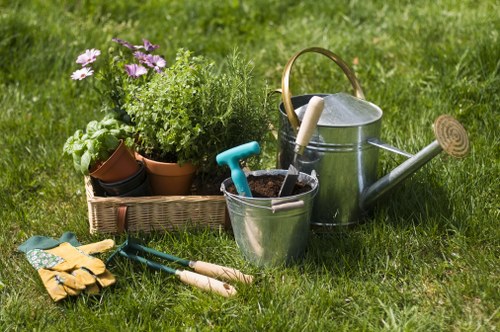 Gardener Kingston is committed to building an eco-friendly waste disposal area and a truly sustainable rubbish gardening area that serves local residents, community gardens and small businesses. Our approach blends practical on-site solutions with borough-wide coordination to ensure more materials are diverted from landfill and returned to productive use. We work within the Royal Borough's overall waste separation framework — encouraging separate streams for food waste, garden waste, dry recycling and residual refuse — and we adapt to local collection patterns to make reuse simple and visible.
Our vision places a high value on resource recovery: turning garden cuttings into compost, repurposing soil and wood for raised beds, and sorting plastics, paper and glass for council-led recycling streams. We see the eco-friendly waste disposal area as a hub where gardeners learn to separate green waste correctly and where bulky garden items can be assessed for reuse rather than disposal. This reduces vehicle trips, cuts emissions and supports circular economy principles in the borough.
 To measure progress we have set a clear recycling percentage target: 65% of all Gardener Kingston operational waste to be recycled or reused within five years. That target covers green waste, compostable kitchen scraps from demonstration sites, wood, plastics and separated mixed recyclables. It also pushes us to partner closely with the Royal Borough's transfer stations and civic amenity sites so that material flows are efficient and traceable.
Working with Local Transfer Stations and the Borough
Our logistics strategy relies on consistent access to local transfer stations and nearby facilities that handle garden and household streams. We coordinate with borough transfer facilities and neighbouring transfer depots to ensure that sorted recyclables and green waste arrive at the right processing sites quickly. This reduces time on the road and lowers fuel use — a practical step in designing a low-impact waste network.
 Gardener Kingston also recognises the importance of following the borough's approach to waste separation: wheeled bins for dry mixed recycling, separate containers for garden waste collections, and food waste caddies for compostable kitchen scraps from community events. By aligning with local council campaigns we make it easier for residents to comply and for us to direct materials to anaerobic digestion, composting facilities or secondary reuse markets.
Partnerships with transfer stations ensure transparency and local accountability. We log tonnes moved, track contamination rates and set operational targets to improve capture rates of garden organics and horticultural plastics. This operational transparency helps us refine sorting points in the eco-friendly disposal area and improve community education.
Charity Partnerships, Reuse and Low-Carbon Transport
Gardener Kingston actively works with charities and community organisations to maximise reuse. We partner with local social enterprises, community allotments and reuse charities to divert functional tools, planters, timber and soil substrates. These partnerships create social value by supplying community gardens and training programmes, and they reduce the quantity of material entering conventional waste streams.
Our donation and redistribution model includes scheduled drop-offs to charity partners, voucher systems for community groups to collect materials, and collaborative refurbishing of items that can be reused in local projects. Key materials recovered include:
- Compost and screened soil for community plots
- Reusable timber and pallets for raised beds
- Garden tools and pots redirected to local projects
 Transport is a major focus: we run a fleet of low-carbon vans and aim to convert all operational vehicles to electric or hybrid models. Where electric charging is not practical, we prioritise biofuel blends and route optimisation to reduce mileage. Low-emission vehicles are integral to cutting the carbon footprint of waste collection and distribution from our sustainable rubbish gardening area to transfer stations and charity partners.
We also emphasise on-site solutions: turning green cuttings into compost through managed piles, chipping woody material for mulch, and offering community compost-share events that keep nutrients local. Local composting reduces dependence on external treatment facilities and shortens supply chains for soil improvement products used in borough gardens and allotments.
Monitoring and continuous improvement are key. We publish annual summaries of tonnages diverted, contamination rates and progress toward the recycling percentage target. Operational improvements include better signage in the disposal area, more segregated bays, and training for staff and volunteers on best sorting practices to reflect borough guidance on waste separation.
 Gardener Kingston invites neighbourhood groups, allotment associations and green businesses to collaborate on expanding reuse channels and supporting sustainable rubbish gardening areas across the borough. By combining local transfer station access, charity partnerships, a clear recycling target and a low-carbon vehicle strategy, we aim to create an efficient, community-centred model for eco-friendly waste disposal and lasting environmental benefit.