Estate garden care for Coombe Road and Canbury Park Kingston
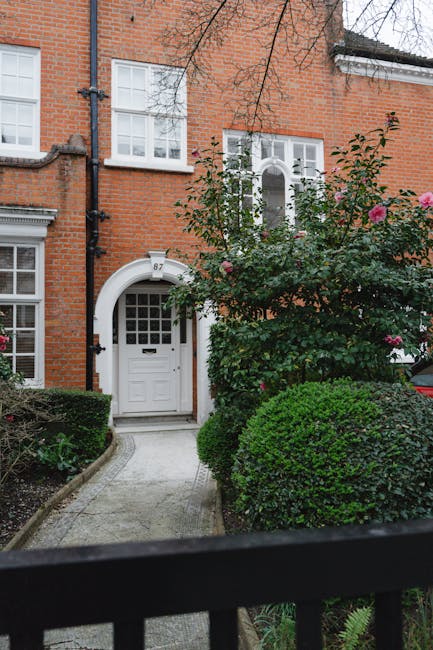
Estate garden care for Coombe Road and Canbury Park Kingston is really about keeping shared outdoor spaces tidy, safe, and welcoming all year round. In a place like Kingston, where mature planting, long boundary lines, communal lawns, and regular foot traffic all meet, the work is a little more involved than a simple weekly tidy-up. It is not just mowing and clipping. It is planning, consistency, safety, and a decent eye for detail.
If you manage a residential estate, oversee communal grounds, or simply want the outside of a property to feel looked after rather than left to fend for itself, this guide will help. We will cover how estate garden care works, what a sensible maintenance plan looks like, where the common problems usually start, and how to avoid the kind of messy build-up that turns into a bigger job later on. And yes, the small stuff matters. A dropped branch here, an overgrown hedge there, and suddenly the whole place feels less cared for.
For a broader view of how these services fit together, you may also find the services overview useful, especially if you are comparing routine upkeep with one-off improvements or clearance work.
Expert summary: good estate garden care is not about making gardens look perfect every day; it is about creating a steady standard that keeps the site presentable, safe, and easy to maintain without panic jobs.
Why Estate garden care for Coombe Road and Canbury Park Kingston Matters
Estate grounds are often the first thing people notice, even before they reach a front door or reception area. That first impression can feel surprisingly important. A neat verge, trimmed hedges, healthy planting, and clear paths quietly tell residents and visitors that the property is looked after. The opposite does the same, only faster.
In Kingston, many estates sit in leafy surroundings with established trees, mixed planting, and older garden layouts that need more than occasional attention. Coombe Road and Canbury Park also tend to see a mix of private homes, shared driveways, boundary planting, and communal access routes. That means garden care needs to be practical as well as attractive. A tidy lawn is good. A tidy lawn that drains well, does not become slippery, and does not block sight lines is better.
There is also the matter of everyday use. Residents want open space that feels pleasant to walk through. Contractors need access. Deliveries need clear routes. And if trees, hedges, or shrubs are left unchecked, they can start causing avoidable problems: blocked light, leaf build-up, damaged paving, or simply that slightly neglected feel that drags the whole place down. Truth be told, most estate garden issues begin quietly.
Regular maintenance is usually far more cost-effective than dramatic catch-up work. One missed season can turn into heavy clearance, and that is rarely anyone's favourite Monday morning. A planned approach also makes it easier to keep standards consistent across the whole site, instead of having one area looking sharp and another looking forgotten.
How Estate garden care for Coombe Road and Canbury Park Kingston Works
Estate garden care usually starts with a site assessment. That simply means looking at the space properly: lawns, hedges, borders, trees, access points, waste build-up, drainage issues, and any areas that need ongoing attention rather than a one-off tidy. On larger grounds, this assessment also helps identify which tasks should happen weekly, fortnightly, monthly, or seasonally.
From there, a maintenance plan is built around the property's needs. A well-run estate often needs a mix of routine tasks and occasional specialist work. For example:
- grass cutting and edging in the growing season
- hedge trimming at the right times of year
- leaf clearance in autumn
- border weeding and re-mulching
- shrub shaping and deadheading
- safe management of small tree growth
- path and communal area clearance
- occasional planting refreshes
Some sites need a little more structure, especially where residents expect the grounds to look consistently polished. In those cases, teams often combine garden maintenance with targeted services such as lawn mowing and hedge trimming. That mix keeps the site balanced rather than overmanaged. No one wants a hedge trimmed beautifully while the lawn looks like it has had a rough month.
When an estate has become heavily overgrown, or there has been a long gap between visits, the first visit may need more than standard care. That is where garden clearance can help reset the space before a lighter routine takes over. It is a bit like pressing the clean button before starting the proper rhythm again.
What a good workflow usually looks like
- Inspect the whole site and note priorities.
- Clear obvious hazards and access obstructions first.
- Carry out core maintenance tasks in a sensible order.
- Check the finish from the resident and visitor viewpoint, not just the work zone.
- Schedule follow-up visits before problems build up again.
Key Benefits and Practical Advantages
A well-managed estate garden does more than look pleasant. It supports how the whole property functions. You notice it in small ways: fewer trip hazards, less mess near entrances, better visibility around parking areas, and less stress for anyone responsible for the site. Those things matter a lot more than people realise until they are missing.
1. Better presentation
Neat external areas create a stronger first impression for residents, guests, and anyone viewing the property. In neighbourhoods like Canbury Park and around Coombe Road, that sense of upkeep can complement the character of the homes themselves rather than fight against them.
2. Safer shared spaces
Overgrown planting can hide uneven ground, obscure paths, and make access awkward. Fallen leaves, wet clippings, and low branches all add risk. A careful maintenance routine helps reduce those everyday hazards without making the site feel stripped back or bare.
3. Longer life for planting and surfaces
Healthy garden care is not only about the plants. Regular work prevents roots, self-seeding weeds, moss, and debris from slowly damaging hard surfaces and soft landscaping. It also means planting beds are less likely to become choked and tired.
4. Easier budgeting
Planned maintenance is easier to budget for than emergency tidy-ups. The site stays on top of things, which usually keeps labour more efficient. To be fair, this is one of the most practical reasons managers stick with a schedule once they have had one bad overgrowth season.
5. Less disruption for residents
Frequent small visits are often less disruptive than occasional big ones. Residents tend to prefer a calm routine rather than a full-day upheaval with piles of cuttings and temporary access issues everywhere. Sensible planning makes the whole thing feel smoother.
Who This Is For and When It Makes Sense
Estate garden care is not just for large housing developments. It makes sense anywhere there are shared or high-visibility outdoor spaces that need reliable upkeep. In practice, that includes:
- residential estates with communal gardens
- apartment blocks with shared planting and lawns
- managed properties with boundary hedging and frontage gardens
- private roads and shared access spaces
- smaller estates where the outside appearance affects property value and tenant satisfaction
It also makes sense when the existing maintenance routine has become inconsistent. You might notice that the front looks good but the side paths are neglected. Or the lawns are cut, but the hedges are getting away from the team. Those gaps are often the sign that a more joined-up approach is needed.
If you are unsure whether you need regular maintenance or a bigger redesign, that is where landscape gardening and landscaping may come into the conversation. Sometimes the right answer is not simply more mowing. Sometimes the layout itself needs a smarter setup.
And if the space includes timber features such as seating zones, raised platforms, or edging, then a service like decking services may be relevant as part of the wider outdoor upkeep plan. Not every estate needs that, of course. But when it does, it is better to think about the whole site rather than treat each part in isolation.
Step-by-Step Guidance
If you are putting together a maintenance plan for an estate near Coombe Road or Canbury Park, here is the most practical way to approach it.
Step 1: Walk the site properly
Do not just glance at the visible parts. Walk the boundaries, look behind bin stores, check under trees, and inspect places where leaf litter or cuttings tend to gather. The awkward corners often reveal the real workload.
Step 2: Split the site into zones
Group the estate into clear areas such as entrances, lawns, hedges, beds, trees, footpaths, and hidden or lower-priority spaces. This makes scheduling much simpler and helps avoid missed tasks.
Step 3: Decide what must happen weekly, monthly, or seasonally
For example, lawns may need regular cutting during the growing months, while hedge work may be seasonal and border tidying more frequent. There is no single perfect calendar for every estate, but there should be one that fits the site.
Step 4: Tackle the highest-impact jobs first
Start with access routes, safety concerns, and anything that affects the appearance of the main frontage. That usually gives the quickest visible improvement and creates momentum for the rest of the work.
Step 5: Build in waste removal and finish work
A good garden care job is not finished when the pruning stops. Cuttings, leaves, and debris need clearing away cleanly, and edges should be checked. A lovely hedge is less impressive if the path below it is covered in clippings. Happens all the time.
Step 6: Review after a few visits
After a few maintenance rounds, check whether the plan is working. Are some areas growing faster than expected? Are residents complaining about litter catch or shade? Small adjustments early can save a lot of bother later.
Expert Tips for Better Results
The difference between average estate care and consistently good estate care is usually in the detail. Here are the habits that tend to make the biggest difference.
- Trim for shape, not just size. A hedge can be short and still look awkward if the lines are uneven.
- Keep edges crisp. Clean lawn edges make the whole site feel more intentional.
- Work with the seasons. Spring and autumn often need more attention than people expect.
- Watch how water moves. If one area stays soggy, soil and planting may need review rather than endless replanting.
- Do not ignore shade. Mature trees are lovely, but they change what will thrive underneath them.
- Use planting that suits the site. Low-maintenance species usually perform better in communal settings than high-drama planting that needs babysitting.
One small but useful habit: always look at the garden from the resident's walking route. What does it feel like coming home in the dark? What is visible from the path after rain? These details matter more than perfect symmetry in a plan view. They really do.
It also helps to keep communication simple. If there is a recurring issue, note it clearly and deal with it before it becomes "that one problem area" everyone tiptoes around. We have all seen those corners.
Common Mistakes to Avoid
Most estate garden problems are not dramatic failures. They are the result of lots of small oversights. Easy to say, harder to catch. Here are the most common ones.
Waiting too long between visits
Once growth gets ahead of the plan, maintenance becomes slower, messier, and more expensive. That is especially true with hedges, lawns, and leaf fall.
Only dealing with what is visible
Front-facing areas are important, but hidden corners can become weed traps or waste collection spots if they are ignored for months. Residents notice more than managers sometimes think.
Cutting everything to the same schedule
Different plants and surfaces need different rhythms. One-size-fits-all maintenance usually causes either overwork or neglect.
Skipping waste removal
Leaving cuttings in place can look untidy and may create slippery or smothered areas. It also gives the impression that the job was rushed, even if the work itself was fine.
Ignoring tree and hedge growth near access routes
Branches, roots, and hedge spread can quickly affect visibility, walking space, and light levels. If the site has taller vegetation, it is worth keeping a closer eye on it. For more substantial growth, tree lopping and removal may be the appropriate route, but only where it is genuinely needed and properly handled.
Forgetting the people who use the space
That is the big one. A garden can look neat and still be awkward if it blocks routes, creates poor lighting, or forces people to walk around wet overgrowth. Function matters as much as appearance.
Tools, Resources and Recommendations
You do not need a warehouse full of kit to keep an estate looking good. But the right tools make work safer, quicker, and tidier. A typical maintenance setup might include:
- commercial lawn mowers for larger grass areas
- brush cutters or strimmers for edges and awkward patches
- hedge trimmers for shaping and controlled reduction
- pruning tools for shrubs and smaller woody growth
- leaf blowers or rakes for seasonal clearance
- wheelbarrows, sacks, and secure loading equipment for waste movement
- basic hand tools for weeding and border work
But honestly, equipment alone is not the answer. The real value comes from using it consistently and in the right order. A clean finish depends on sequencing as much as effort.
For estate managers comparing service needs, it can help to think in layers:
- Routine upkeep: mowing, edging, trimming, light weeding
- Seasonal work: leaf clearance, planting refreshes, heavier pruning
- Recovery work: clearance, cut-back, and re-establishing neglected areas
- Improvement work: redesign, hard landscaping, or new features
If your grounds are becoming difficult to manage or you are planning a site refresh, it may be worth exploring recycling and sustainability practices too. Reusing and disposing of green waste properly is not only tidier, it is the responsible way to manage a busy site. And it just feels better when the waste stream is handled with care.
Law, Compliance, Standards, or Best Practice
For estate garden care in the UK, the key point is not usually one dramatic rule. It is a collection of sensible obligations and best practices around safety, access, waste handling, and duty of care. If you manage a shared site, you will want to think about the following carefully.
Health and safety: work should be planned so that residents, visitors, and contractors are not put at avoidable risk. That includes keeping paths clear where possible, managing tools safely, and making sure any working area is properly controlled. If you want to understand how a provider approaches this, a page like health and safety policy can be a useful reference point.
Insurance and liability: on shared estates, it is sensible to use a provider with suitable cover and clear operating procedures. You do not want uncertainty if a branch, fence panel, or paving edge causes a problem. A service page such as insurance and safety may help reassure you on that front.
Waste and green disposal: clippings, branches, and clearance material should be handled responsibly. That does not mean every estate has the same setup, but there should always be a clear, lawful disposal route. If sustainability matters to your site standards, recycling and sustainability is worth reviewing alongside the care plan.
Contracts and service expectations: if you are arranging regular work, the scope should be written clearly. What is included? What is seasonal? What counts as extra work? Being precise here avoids awkward conversations later. Nobody enjoys a surprise invoice, let's face it.
For service terms and payment handling, it can also help to review the provider's terms and conditions and payment and security information before committing to an ongoing schedule.
Options, Methods, or Comparison Table
Different estates need different approaches. A compact communal garden is not the same as a long, tree-lined access route, and a mature, heavily planted site is not the same as a newly built development. Here is a practical comparison.
| Approach | Best for | Strengths | Limitations |
|---|---|---|---|
| Light routine maintenance | Well-kept sites with steady growth | Cost-efficient, easy to schedule, keeps standards stable | Not enough for neglected or heavily overgrown areas |
| Seasonal maintenance | Sites with strong spring and autumn changes | Good for leaf fall, pruning, and planting refreshes | Can leave long gaps if relied on alone |
| Full estate care plan | Larger or high-visibility properties | Consistent presentation, better planning, fewer surprises | Needs clearer budgeting and coordination |
| Clearance then maintenance | Neglected grounds or change-of-tenancy situations | Resets the site quickly, creates a manageable baseline | More labour upfront, especially on the first visit |
In most real-world cases, the best choice is not one method forever. It is a mix. A site might start with clearance, move into monthly maintenance, then add seasonal work around hedge growth or autumn leaf drop. That flexibility is what keeps the grounds looking settled rather than endlessly in catch-up mode.
Case Study or Real-World Example
Here is a realistic example. A small estate near Canbury Park had a pleasant layout on paper, but the day-to-day appearance had drifted. The lawns were being cut, but the hedge line along the entrance was uneven, the borders had become thin and weedy, and leaves were gathering in a shaded side path. Nothing dramatic. Just enough to make the place feel tired.
The first step was a straightforward clearance of the worst debris and a reset of the main access route. After that, the work shifted into a simple maintenance rhythm: regular grass cutting, hedge shaping, border tidying, and seasonal leaf collection. The residents did not suddenly get a brand-new garden. They got something better, actually. A space that felt cared for without being overworked.
What changed most was the consistency. Visitors no longer saw different standards in different parts of the site. The path felt clearer in the morning. The front entrance looked calmer. And the management team had fewer complaints to chase. Small wins. But they stack up.
That is the thing about estate garden care. It rarely wins applause on day one. Still, over time, it becomes one of those quiet services that holds the whole environment together.
Practical Checklist
Use this checklist when reviewing or planning estate garden care for Coombe Road and Canbury Park Kingston.
- Walk the full site, not just the visible frontage
- Check lawns, hedges, shrubs, trees, borders, and access routes
- Identify safety concerns such as slippery paths or hidden trip hazards
- Separate routine tasks from seasonal tasks
- Decide whether clearance is needed before regular maintenance begins
- Confirm waste removal and green disposal arrangements
- Set a realistic schedule that matches growth rates and resident use
- Review whether any landscaping improvements are needed
- Keep records of recurring issues and repeat hotspots
- Agree the scope, frequency, and expectations in plain language
If you can tick most of those boxes, you are already ahead of a lot of estate sites. Honestly, a clear plan beats a rushed tidy-up almost every time.
Conclusion
Estate garden care for Coombe Road and Canbury Park Kingston is ultimately about creating outdoor space that feels dependable. Not flashy. Not overdone. Just well kept, safe, and in step with the property around it. That steady standard is what protects appearance, supports access, and keeps the whole place feeling looked after through the seasons.
The best approach is usually simple: assess the site honestly, deal with the awkward bits early, then build a maintenance rhythm that suits the estate rather than forcing the estate to fit a generic plan. Once that is in place, everything becomes easier. The garden feels calmer. The work feels more manageable. And the whole property benefits in a way people notice, even if they do not always say it out loud.
If you are comparing options, planning a refresh, or trying to bring a neglected communal space back into shape, start with a clear conversation and a proper site review. A good plan pays for itself in fewer headaches later.
Get a free quote today and see how much you can save.
And if you are ready to take the next step, the most sensible move is simply to contact the team and talk through what your estate actually needs. Straightforward, no fuss. Sometimes that is the best kind of progress.
Frequently Asked Questions
What is estate garden care in practical terms?
It is the planned upkeep of shared or high-visibility outdoor spaces, usually including mowing, hedge trimming, weeding, pruning, clearance, and seasonal work. The aim is to keep the site safe, tidy, and consistently presentable.
How often should an estate garden be maintained?
That depends on the size of the site, how quickly things grow, and how heavily the space is used. Some estates need weekly visits in spring and summer, while others can manage with a lighter schedule plus seasonal visits. There is no single answer, which is a bit annoying, but true.
Do overgrown estates always need a full clearance first?
Not always, but if the site has been left too long, clearance is often the cleanest way to reset the space before regular maintenance begins. It helps avoid trying to maintain a problem that is already several steps past tidy.
What is included in regular garden maintenance?
Common tasks include mowing, edging, hedge trimming, border care, light pruning, weed control, and waste removal. The exact scope should always be agreed in advance so everyone knows what is being done.
How do I know whether I need landscaping rather than maintenance?
If the layout is no longer working, access is awkward, drainage is poor, or the planting structure has become tired, maintenance alone may not be enough. In that case, a landscaping review can help you decide whether improvement work is needed.
Are tree works part of estate garden care?
Sometimes, yes. Small tree growth, low branches, or unsafe limbs may need attention as part of wider care. For more significant issues, tree work should be handled carefully and only when it is genuinely required.
What are the biggest mistakes estate managers make with garden care?
The most common mistakes are leaving visits too long, ignoring hidden corners, underestimating seasonal growth, and forgetting about waste removal. Those are the things that quietly turn a neat site into a messy one.
How can estate garden care help reduce complaints?
When communal grounds look clean, routes stay clear, and problem areas are handled early, residents usually have fewer reasons to complain. It sounds simple, but a consistent standard makes a real difference.
Is there a difference between garden clearance and maintenance?
Yes. Clearance is usually the reset work: removing heavy overgrowth, waste, and accumulated debris. Maintenance is the ongoing care that keeps the site in good condition after that reset.
Should estate garden care include sustainability measures?
It should whenever possible. Responsible waste handling, recycling where suitable, and sensible planting choices all help reduce unnecessary impact. Small decisions add up, especially on larger sites.
How do I choose the right provider for an estate site?
Look for clear communication, a sensible maintenance plan, appropriate insurance, good safety practice, and a scope of work that matches your site. You want someone who understands consistency, not just one-off tidying.
Can estate garden care be tailored to a smaller residential block?
Absolutely. Smaller sites often benefit from a lighter but regular plan. The principle is the same: keep the grounds neat, safe, and manageable without letting tasks pile up.